Foldables 101 · Tri-fold
Tri-fold foldables
Two hinges, three panels, a ten-inch tablet in a pocket.
- Inner screen
- 10.2″
- Outer screen
- 6.5″
- Weight
- 299 g
- Folded
- 12.3 mm
A tri-fold adds a second hinge, and with it a third panel. Closed, it is a thick phone. Opened once, it is a book fold. Opened again, it is a ten-inch tablet that folds flat enough to hold in one hand.
Huawei shipped the first one in 2024 with an outward-folding design where the screen wraps around the outside, so part of the display is always exposed. Samsung’s approach folds inward, protecting the panel but adding a separate outer screen. Both have to solve the same problems: three panels of battery and glass make the closed phone the thickest on the market, two hinges have to stay aligned for years, and the price lands well above every other foldable.
What you get for that is a screen no other phone can match. Documents at full size, a keyboard with a proper canvas above it, video at a size that stops feeling like a compromise. Used carefully, a tri-fold replaces a tablet outright.
Pick a tri-fold when you know exactly what you would do with ten inches and are prepared to carry the phone that provides them. For most people, a book or passport fold gives most of the benefit at a fraction of the bulk and cost.
Every tri-fold foldable
Compare all tri-fold models with filters| Device | Inner | Outer | Battery | Weight | Folded | Released | Launch price |
|---|---|---|---|---|---|---|---|
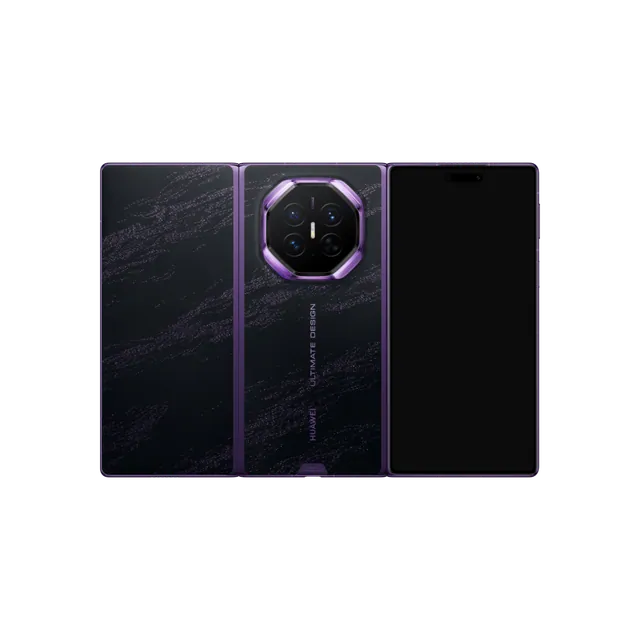 Huawei Mate XT 2 Ultimate Design | 10.2″ | 6.5″ | 5,600 mAh | 299 g | 12.3 mm | Sep 2026 | CN¥19,999 |
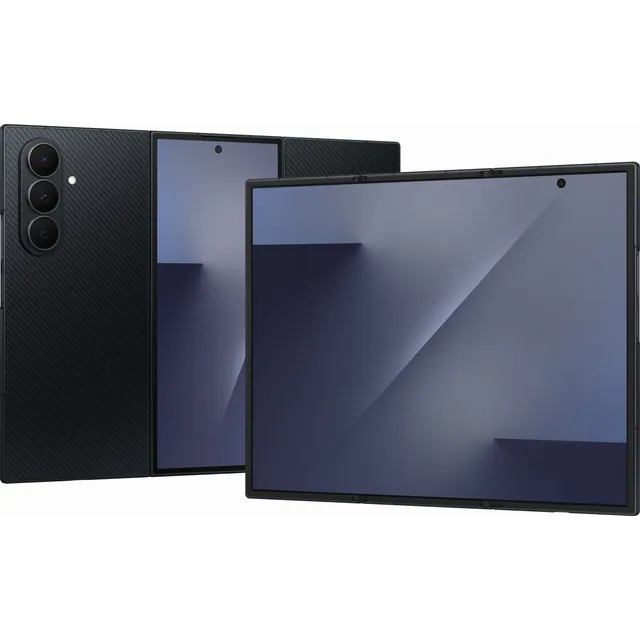 Samsung Galaxy Z TriFoldDiscontinued | 10″ | 6.5″ | 5,600 mAh | 309 g | 12.9 mm | Dec 2025 | ₩3,594,000 |
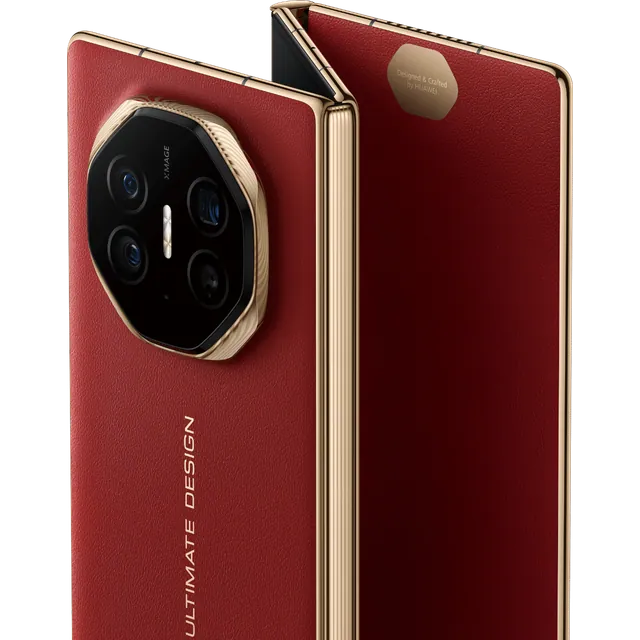 Huawei Mate XT Ultimate DesignDiscontinued | 10.2″ | 6.4″ | 5,600 mAh | 298 g | 12.8 mm | Sep 2024 | CN¥19,999 |